
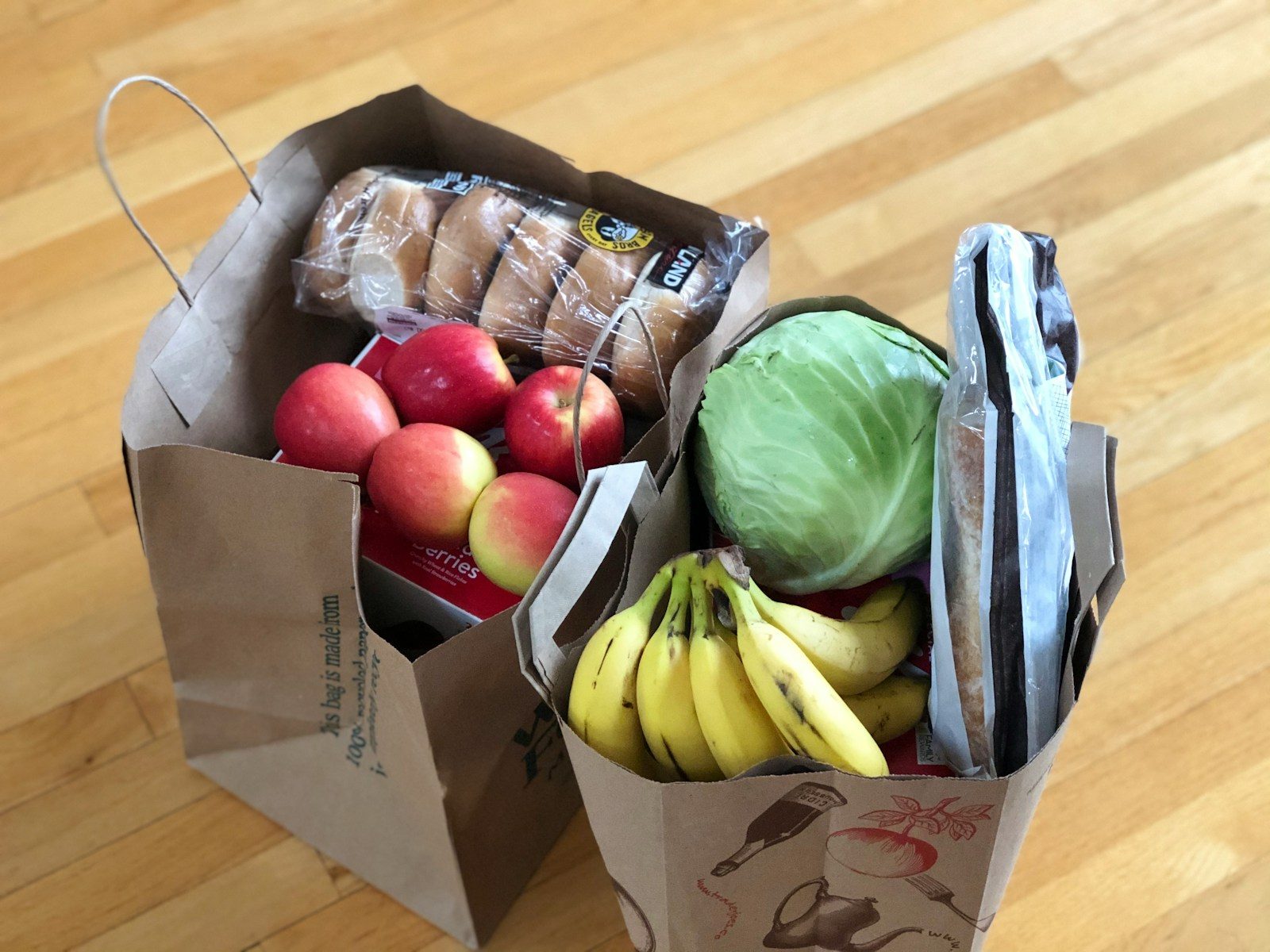
Couponing has a devoted following and for people with the time and organizational systems to do it well, it produces real savings. For everyone else, the Sunday paper coupon inserts and the digital clipping apps feel like a part-time job with unpredictable returns. The good news is that coupons are not the only or even the most effective way to reduce what you spend on groceries every month. Several strategies produce consistent, meaningful savings without requiring you to track expiration dates, match store sales to manufacturer coupons, or spend hours organizing a binder. These eight approaches work across income levels, household sizes, and shopping preferences and most of them can be implemented starting with your next grocery run.
1. Switch to Store Brands on Staples
The price difference between a national brand and the store brand version of the same product is one of the most consistent and reliable savings available in any grocery store. Store brands, also called private label or generic products, are manufactured to the same food safety standards as national brands and in many cases are produced by the same manufacturers using the same formulations with different packaging.
The savings on store brands typically run 20 to 30 percent below the national brand equivalent. On staple items that a household buys every week, including flour, sugar, rice, pasta, canned vegetables, cooking oil, eggs, butter, and dairy products, that percentage difference adds up to meaningful annual savings. A household that switches to store brands on ten regular staple items and saves an average of $1.50 per item per week saves over $750 per year without any coupons, any price tracking, or any change in what they eat.
The items where store brands deliver the most value are commodities where the product is essentially the same regardless of who manufactures it. Canned tomatoes, dried pasta, rice, frozen vegetables, baking staples, and dairy products are categories where the store brand is functionally identical to the national brand. Items where formulation differences are more noticeable, like certain snack foods or specific condiments, are categories where personal taste testing determines whether the switch is worth making.
2. Shop at Discount Grocers
The grocery store you shop at has more impact on your total bill than almost any other single variable in your grocery budget. Full-service supermarkets with elaborate prepared food sections, wide organic offerings, and extensive customer service staff have overhead costs that are reflected in their prices. Discount grocers operate on leaner models that consistently produce lower shelf prices across the store.
Aldi and Lidl are the most well-known discount grocery chains in the United States and consistently rank among the lowest-priced options for a standard basket of groceries in comparative studies. Both chains carry a limited selection of primarily store brand products, which is how they achieve their price point. Consumer Reports and independent grocery price studies have found that shopping at Aldi versus a traditional supermarket produces savings of 30 to 40 percent on a comparable basket of items.
WinCo Foods operates in western and southern states and offers bulk bin shopping alongside conventional grocery items at prices that consistently undercut traditional supermarkets. Food 4 Less and Grocery Outlet are regional discount options that provide similar savings in their service areas.
If a discount grocer is not conveniently located for your regular shopping, making a monthly trip to stock up on non-perishable staples at a lower-cost store while buying perishables at the most convenient location near you captures most of the savings benefit with fewer trips.
3. Buy in Bulk on Non-Perishables
Warehouse clubs like Costco and Sam’s Club charge an annual membership fee but deliver consistent savings on non-perishable items bought in larger quantities. For households with storage space and predictable consumption of specific items, the per-unit price at a warehouse club frequently beats every other retail option including discount grocers.
The membership fee, which runs $65 per year at Costco for a basic membership, pays for itself quickly on items with a significant price difference. Paper products, cooking oils, canned goods, dried pasta, rice, frozen meats, and pantry staples are categories where the warehouse club price is reliably lower on a per-unit basis than any conventional grocery option.
The trap with warehouse clubs is buying perishables in quantities that exceed what your household can consume before spoilage. A five-pound container of spinach is an excellent value if your household eats it within a week and a waste of money if half of it goes bad. Buying in bulk works best for items with a long shelf life or that can be frozen, and poorly for items with short windows of usability for smaller households.
For households that cannot afford the membership fee upfront, Sam’s Club offers a day pass for a small fee that lets you shop without a membership, which is a way to stock up on specific high-value items without the annual commitment.
4. Plan Meals Around What Is on Sale
Most grocery stores publish their weekly sales circular online and in-store at the beginning of each week. Building your meal plan around the proteins and produce that are on sale that week, rather than deciding what you want to eat and then finding the ingredients, inverts the standard shopping process in a way that consistently reduces the bill.
Proteins are typically the most expensive component of a grocery basket and the category where weekly sale prices produce the most savings. A chicken thigh sale at $0.99 per pound versus the regular price of $1.89 per pound is worth building a week’s worth of dinners around. A ground beef markdown at $2.99 per pound when the regular price is $4.99 is worth buying extra and freezing for future use.
The adjustment required is flexibility in meal planning rather than rigidity about specific dishes each week. Households that decide on Monday that they are eating chicken on Wednesday, beef on Thursday, and fish on Friday regardless of prices pay consistently more than households that look at what is marked down that week and build their meals accordingly. The same nutritional outcomes are achievable either way but the cost difference over a year is significant.
5. Reduce Meat Portions and Add Plant Proteins
Meat is the most expensive category in the average grocery cart on a per-pound basis and reducing its proportion in meals is one of the highest-impact changes available for households trying to lower their food costs. This does not require eliminating meat or adopting a specific diet. It requires using less of it per meal and supplementing with plant proteins that cost significantly less.
Dried lentils, dried beans, canned chickpeas, canned black beans, tofu, and eggs are among the lowest-cost protein sources available in any grocery store. A pound of dried lentils costs approximately $1.50 and produces multiple servings of a protein-rich ingredient that works in soups, stews, salads, and grain bowls. A pound of chicken thighs costs three to four times as much per serving of protein delivered.
Meals that combine a smaller amount of meat with a substantial plant protein component, such as a bean and beef chili that uses half the ground beef a traditional recipe calls for, or a stir fry with tofu and a small amount of chicken, deliver satisfying protein content at a lower cost than full meat-based meals. Over a month of regular cooking, this shift produces grocery savings without requiring a significant change in how the household eats.
6. Shop the Perimeter and Limit Processed Foods
The layout of most grocery stores follows a consistent pattern where fresh produce, meat, dairy, and bakery items line the perimeter of the store while processed, packaged, and prepared foods fill the interior aisles. Shopping primarily from the perimeter and limiting purchases from the interior aisles reduces both food costs and the proportion of heavily processed foods in your diet simultaneously.
Processed and packaged foods carry significant price premiums relative to the cost of their raw ingredients because you are paying for manufacturing, packaging, marketing, and convenience. A box of flavored rice mix costs three to four times more than the equivalent amount of plain rice with separate seasoning ingredients. A bag of pre-seasoned frozen vegetables costs significantly more than plain frozen vegetables with a bottle of low-cost seasoning used across multiple meals.
Cooking from less processed ingredients does require more time in the kitchen than relying on packaged convenience foods, which is a real trade-off for households with limited cooking time. The savings are real enough, however, that even partially shifting toward less processed ingredients on high-frequency items produces a meaningful reduction in the weekly bill.
7. Use Cash Back Apps on Purchases You Already Make
Cash back apps are distinct from couponing because they do not require advance planning, clipping, or matching to specific sale items. They provide cash back on purchases you were going to make anyway through a passive rebate mechanism that requires minimal ongoing effort.
Ibotta is the most widely used grocery cash back app and offers rebates on specific products that are redeemable after you upload your receipt. The available offers change weekly and cover a wide range of products including produce, meat, dairy, and pantry items. Earnings accumulate in an Ibotta account and are transferred to PayPal or converted to gift cards once you reach the minimum payout threshold.
Fetch Rewards takes a simpler approach by awarding points for every grocery receipt uploaded regardless of what you purchased. Specific products and brands offer bonus points and accumulated points are redeemable for gift cards. The per-receipt earnings are modest but the low effort involved makes it a reasonable passive addition to any grocery budget.
Rakuten provides cash back for online grocery orders through participating retailers including Walmart Grocery, Instacart, and other online shopping platforms. For households that order groceries online, activating Rakuten before placing the order adds a cash back percentage on the total purchase with no additional steps required.
8. Freeze Proteins When Prices Are Low and Waste Nothing
Food waste is one of the largest hidden costs in any household grocery budget. Research from ReFED, a nonprofit focused on food waste reduction, estimates that the average American household throws away approximately $1,500 worth of food per year. Reducing food waste is therefore one of the highest-return strategies available for lowering the grocery savings without coupons bill because it captures the full value of food you have already paid for rather than throwing away a portion of every dollar spent.
Freezing proteins when they are on sale and before they approach their use-by date is the most impactful single waste-reduction habit. Ground beef, chicken, pork, and fish all freeze well and maintain quality for two to six months depending on the item. Buying a larger quantity at a sale price and immediately freezing what you will not use within two days doubles the benefit by both capturing the sale price and eliminating the risk of spoilage waste.
Produce waste is typically the larger challenge because most households buy fresh vegetables with good intentions and then do not use them before they go bad. Frozen vegetables eliminate this problem entirely because they keep indefinitely and are nutritionally comparable to fresh for cooked applications. Building a cooking habit around using what is already in the refrigerator before buying new produce, sometimes called a fridge cleanout meal at the end of the week, reduces produce waste dramatically and reduces the frequency with which partially used vegetables and leftovers are thrown away rather than eaten.





Leave a Reply