
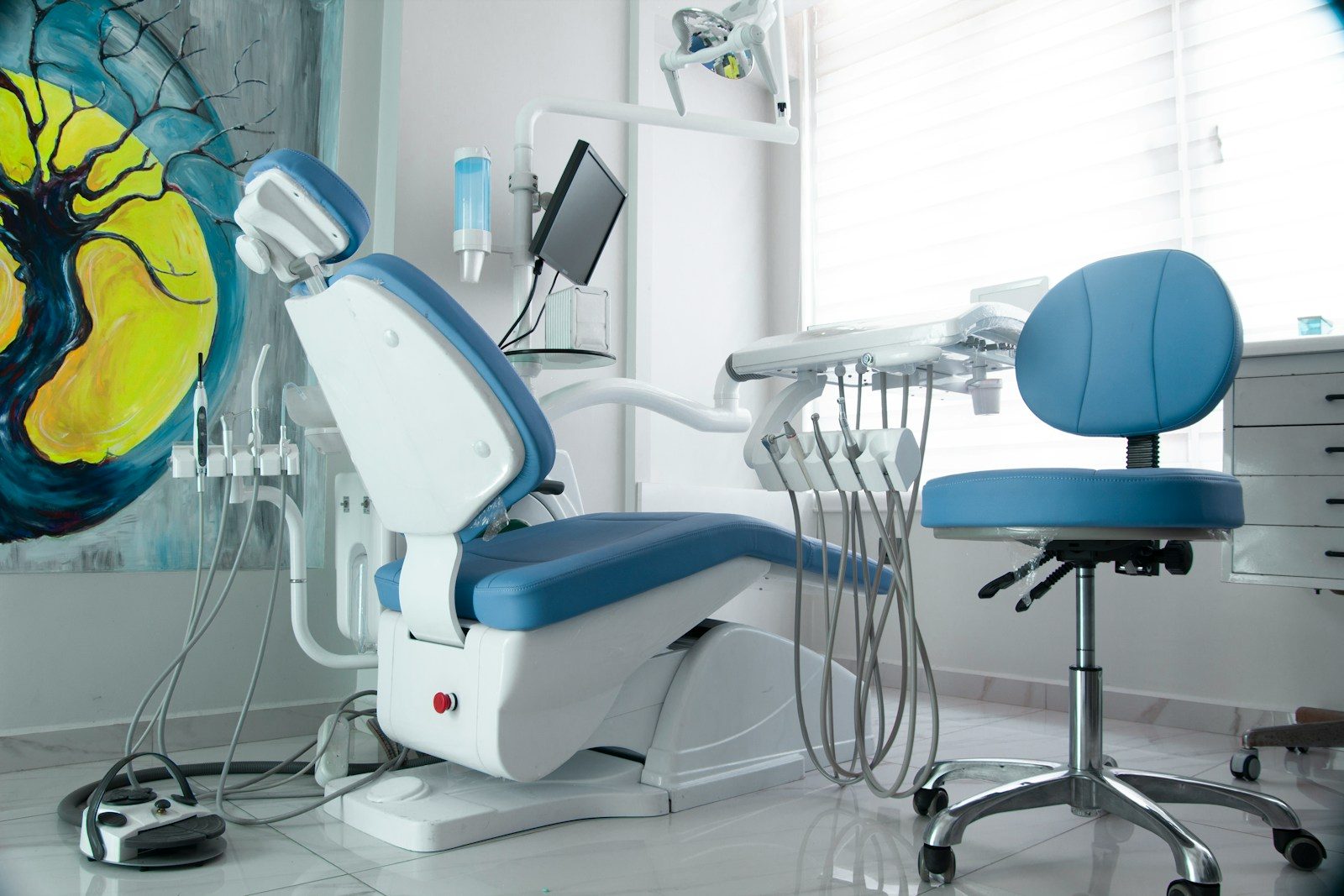
Dental care is one of the most skipped health expenses in the United States, and the reason is almost always cost. A single filling can run several hundred dollars out of pocket. A root canal without insurance can cost over a thousand. For millions of people who do not have dental coverage through an employer or a government program, the math simply does not work. Sliding-scale dental clinics exist specifically to close that gap. They charge based on what you can actually afford to pay rather than a fixed rate, and they serve far more people than most communities realize. These are the questions people ask most often about how these clinics work and how to find one.
What Is a Sliding-Scale Dental Clinic?
A sliding-scale dental clinic is a facility that adjusts the cost of care based on your income and household size. Instead of charging a fixed fee for a cleaning or an extraction, the clinic uses a fee schedule that goes up or down depending on where your income falls relative to the federal poverty level.
Someone earning well below the poverty line may pay little or nothing for basic services. Someone earning slightly above it pays a modest reduced rate. Someone with a moderate income pays more but still less than the full market rate. The idea is that the cost of care scales with your ability to pay rather than being a fixed barrier that either works for your budget or does not.
Most sliding-scale dental clinics are federally qualified health centers, or FQHCs, which receive funding through the Health Resources and Services Administration specifically to provide affordable care to underserved communities. Dental schools and certain nonprofit clinics operate on similar models without being formally classified as FQHCs.
Who Qualifies for Sliding-Scale Dental Care?
Qualification is based primarily on income and household size. Most clinics use the federal poverty guidelines published annually by the U.S. Department of Health and Human Services as their reference point. A family of four earning under a certain percentage of the poverty level qualifies for the lowest fee tier. Higher income levels correspond to higher tiers on the fee schedule.
Some clinics also give priority to patients who are uninsured or underinsured, meaning people whose insurance does not include dental coverage or covers very little of it. Immigration status is generally not a barrier at federally qualified health centers. FQHCs are required to serve patients regardless of their ability to pay and regardless of citizenship or immigration status.
There is no universal income cutoff that applies to every clinic. Each facility sets its own fee schedule within federal guidelines. Calling the clinic directly and asking about their specific income thresholds is the most reliable way to find out whether you qualify and what your fee tier would be.
What Services Do These Clinics Typically Offer?
Most sliding-scale dental clinics offer a core range of services that covers the majority of what patients need on a regular basis. This typically includes dental exams and cleanings, digital X-rays, fillings for cavities, tooth extractions, and basic gum disease treatment. Many also offer dentures, and some provide more advanced services depending on the clinic’s staffing and equipment.
What sliding-scale clinics generally do not offer is the full range of specialty dental work available at a private practice. Orthodontics, dental implants, cosmetic procedures, and complex oral surgery are often outside the scope of what these clinics provide. For those services, they may refer you to a dental school or a specialist who offers a separate reduced-fee arrangement.
Dental schools are worth mentioning specifically here. Schools like those affiliated with New York University, the University of California San Francisco, and many state university systems offer care provided by supervised dental students at significantly reduced rates. The quality of care is closely supervised by licensed faculty dentists, and the cost savings are real.
How Do You Find a Sliding-Scale Dental Clinic Near You?
The most direct route is the HRSA Health Center Finder, which lets you search by zip code for federally qualified health centers in your area. Many of these centers have dental departments on site. The search takes about 60 seconds and returns contact information, hours, and services offered.
Calling 211 is another reliable option. The 211 helpline connects callers with local health and social services and can identify sliding scale dental care options in your specific area, including smaller nonprofit clinics and church-affiliated programs that may not appear in federal directories.
Your state dental association often maintains a list of low-cost and free dental programs as well. Search for your state name plus “dental association” and look for a patient resources or find a dentist section on their website.
Do These Clinics Accept Medicaid or CHIP?
Most federally qualified health centers accept Medicaid, and many accept the Children’s Health Insurance Program, known as CHIP. If you or your children are enrolled in either program, a federally qualified health center is one of the most reliable places to use that coverage for dental care.
Adult dental coverage under Medicaid varies significantly from state to state. Some states cover a full range of dental services for adults. Others cover only emergency extractions. A handful cover nothing at all for adults beyond emergency care. Checking your state’s Medicaid dental benefit through your state’s Medicaid agency website tells you exactly what is covered before you make an appointment.
For children, dental coverage under Medicaid and CHIP is more consistent. Federal law requires states to provide dental benefits to children enrolled in these programs, which means most kids who qualify for Medicaid or CHIP have access to routine preventive dental care at little or no cost.
How Do You Prepare for Your First Appointment?
Bring documentation of your income when you go to a sliding-scale clinic for the first time. This typically means a recent pay stub, a tax return from the prior year, or a benefits letter if you receive government assistance. Clinics use this information to place you in the right fee tier on their schedule.
Also bring a government-issued photo ID and, if you have any form of dental or health insurance, your insurance card. Even if your insurance covers very little, the clinic will bill it first and apply their sliding fee to whatever remains. Bring a list of any medications you are currently taking because some medications affect dental treatment decisions, particularly blood thinners and medications that affect bone density.
Arrive a few minutes early because new patient paperwork at community health centers tends to be more detailed than at a private practice. The intake process is designed to capture financial and insurance information accurately so your fees are set correctly from the start.
What If There Is a Long Wait for an Appointment?
Sliding-scale dental clinics are often in high demand and wait times for non-emergency appointments can stretch from several weeks to a few months at busier locations. A few strategies help.
Ask to be put on a cancellation list when you call. Clinics with high demand frequently have same-week openings when scheduled patients cancel, and being on the list costs nothing. Calling first thing in the morning also increases your chances of catching a newly opened slot.
If you have a dental emergency such as severe pain, swelling, an abscess, or a broken tooth, tell the clinic when you call. Most clinics reserve same-day or next-day slots specifically for acute dental emergencies. Showing up at the emergency room for a dental problem is costly and ineffective since most ERs can only manage pain and prescribe antibiotics without treating the underlying dental issue.
Some communities also hold free dental care events through programs like Dental Lifeline Network, which organizes volunteer dental professionals to provide free comprehensive care to people with disabilities, the elderly, and medically fragile individuals. Checking whether your area has an upcoming free dental day can bridge the gap while you wait for a regular clinic appointment.
Is the Care at These Clinics Actually Good?
This is the question many people have but hesitate to ask. The answer is yes in the vast majority of cases. Federally qualified health centers are regulated by the federal government and required to meet quality standards as a condition of their funding. Their dental staff are licensed professionals who meet the same state licensing requirements as dentists at private practices.
The main difference between a sliding-scale clinic and a private practice is not the quality of care but rather the range of services offered and sometimes the wait time for appointments. The clinical outcomes for routine dental work are comparable. Organizations like the National Association of Community Health Centers publish data on quality metrics across the FQHC network that consistently show strong patient outcomes for primary and dental care.





Leave a Reply