
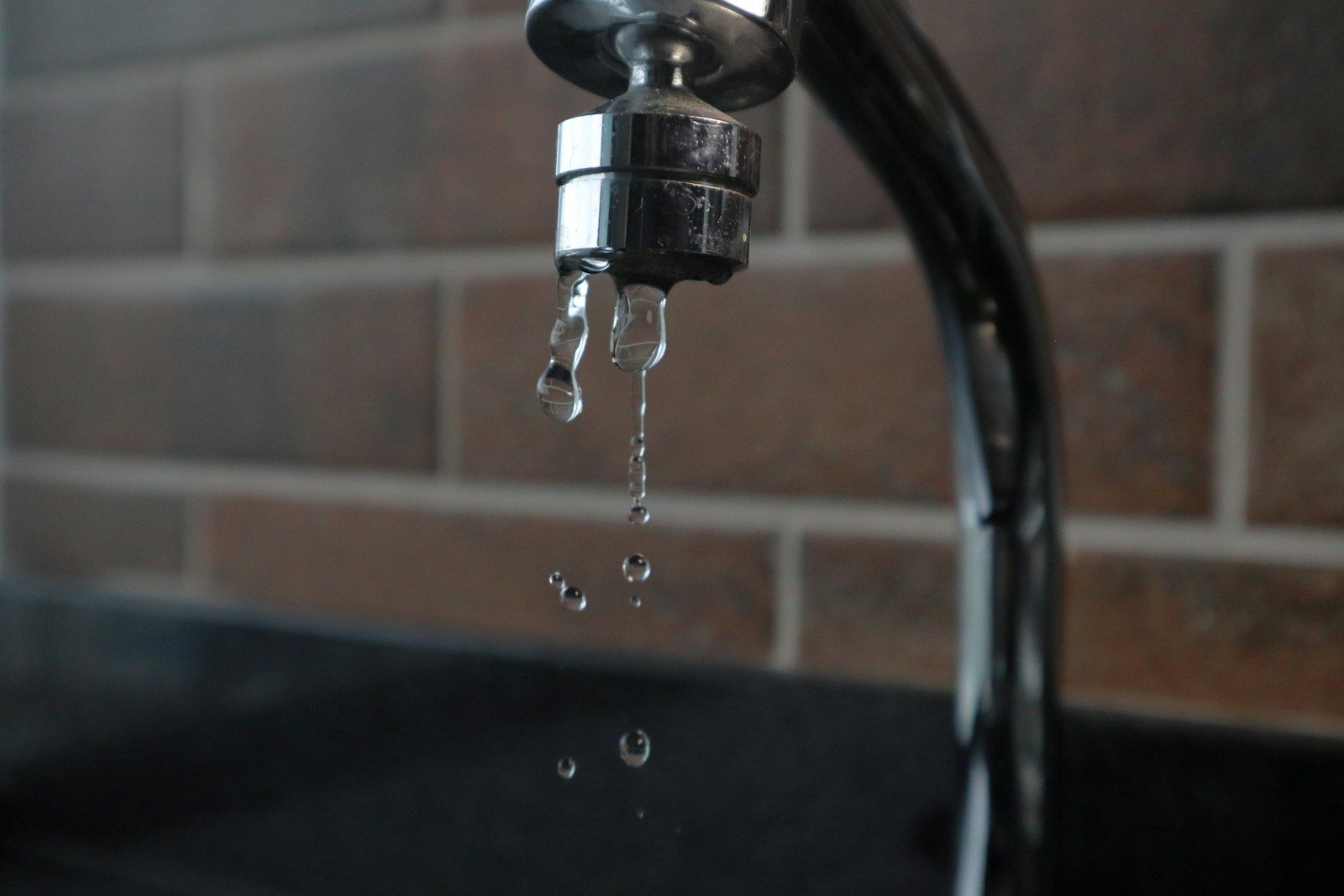
Water costs money every single month, and for renters living on tight budgets, a high water bill can tip the whole financial balance. The good news is that real help exists. The problem is that most renters never find out about it until they are already behind. These seven programs are legitimate, widely available, and almost never talked about in the same breath as rent or food assistance. If you pay water bills and money is tight, at least one of these is worth looking into right now.
1. The Low Income Household Water Assistance Program
Most people have heard of LIHEAP for energy bills. Far fewer know that a dedicated water equivalent exists. The Low Income Household Water Assistance Program, or LIHWAP, is a federal program that helps low-income households cover drinking water and wastewater service costs. It was funded through the American Rescue Plan and has been distributed through state agencies.
Eligibility is based on household income and size. You apply through your state’s social services agency, the same office that handles energy assistance in most states. Not every state has used its full LIHWAP allocation, which means funds are still available in many areas. Check with your state’s water bill relief programs office or local community action agency to find out what is left.
2. Utility Assistance Through Community Action Agencies
Community action agencies are nonprofit organizations funded by the federal government to help low-income households with basic needs. Most people know them for food and rent help. What gets overlooked is that many of them also cover water bills directly or point you toward local funds that do.
These agencies operate in nearly every county across the country. Community action agencies handle applications for multiple assistance programs under one roof, which saves time and paperwork. Call or visit the one closest to you and ask specifically about water or utility assistance. Do not assume they only handle heating bills.
3. Nonprofit and Religious Organization Emergency Funds
Local churches, mosques, synagogues, and faith-based nonprofits maintain emergency funds that most people never think to ask about. These funds exist specifically for situations where a household needs help covering a bill before a shutoff happens. The amounts are often modest, but they are enough to prevent a water service interruption while you arrange something more permanent.
Organizations like the St. Vincent de Paul Society operate chapters in hundreds of cities and offer direct financial assistance for utility bills including water. The Salvation Army runs a similar program in many locations. Call before you visit because funds are limited and appointments are often required.
4. State-Level Water Affordability Programs
Several states have built their own water affordability programs that run independently of federal funding. California, Maryland, and Pennsylvania are among the states with structured low-income water rate programs. These programs offer discounted monthly rates, debt forgiveness for past-due balances, or both.
The structure varies widely from state to state. Some are run by the state government, others by individual water utilities. The best starting point is your state’s public utilities commission website, which lists approved assistance programs for water service customers in your area.
5. Water Utility Hardship Programs
Most large water utilities run their own hardship or customer assistance programs and do a poor job advertising them. These programs go by different names depending on the provider but they typically offer reduced rates for qualifying low-income customers, deferred payment arrangements, and forgiveness of past-due balances under certain conditions.
Contact your water utility directly and ask whether they have a customer assistance or low-income rate program. Ask what the income threshold is. Ask whether you need to reapply each year. Many renters who qualify never apply simply because they did not know to ask. A single phone call to your utility’s billing department can open up options that were available to you the entire time.
6. The WaterSense Program and Free Conservation Kits
WaterSense is a program run by the Environmental Protection Agency that helps households reduce water usage and lower bills as a result. Many water utilities that partner with WaterSense offer free conservation kits that include low-flow faucet aerators, shower heads, and leak detection strips.
This is not a payment assistance program in the traditional sense. It is a practical way to reduce the bill itself rather than asking for help paying it. For renters who have the landlord’s permission to install basic fixtures, a free kit from a WaterSense partner utility can cut monthly water costs in a meaningful way. Check the EPA’s WaterSense partner list to see if your utility participates.
7. The 211 Helpline
211 is a free, confidential helpline available in every state that connects callers with local assistance programs for basic needs including utility bills. Most people associate 211 with food or housing help. Water bill assistance is one of the most common referrals the helpline makes and one of the least talked about.
When you call 211, a specialist pulls up programs available specifically in your zip code. This matters because water assistance funds are often local and vary significantly from one county to the next. A program that exists in one city may not exist 30 miles away. The 211 specialist knows what is currently funded, what is accepting applications, and what the income requirements are. It is the fastest single step any renter can take to find out what water bill help is available right now.





Leave a Reply