
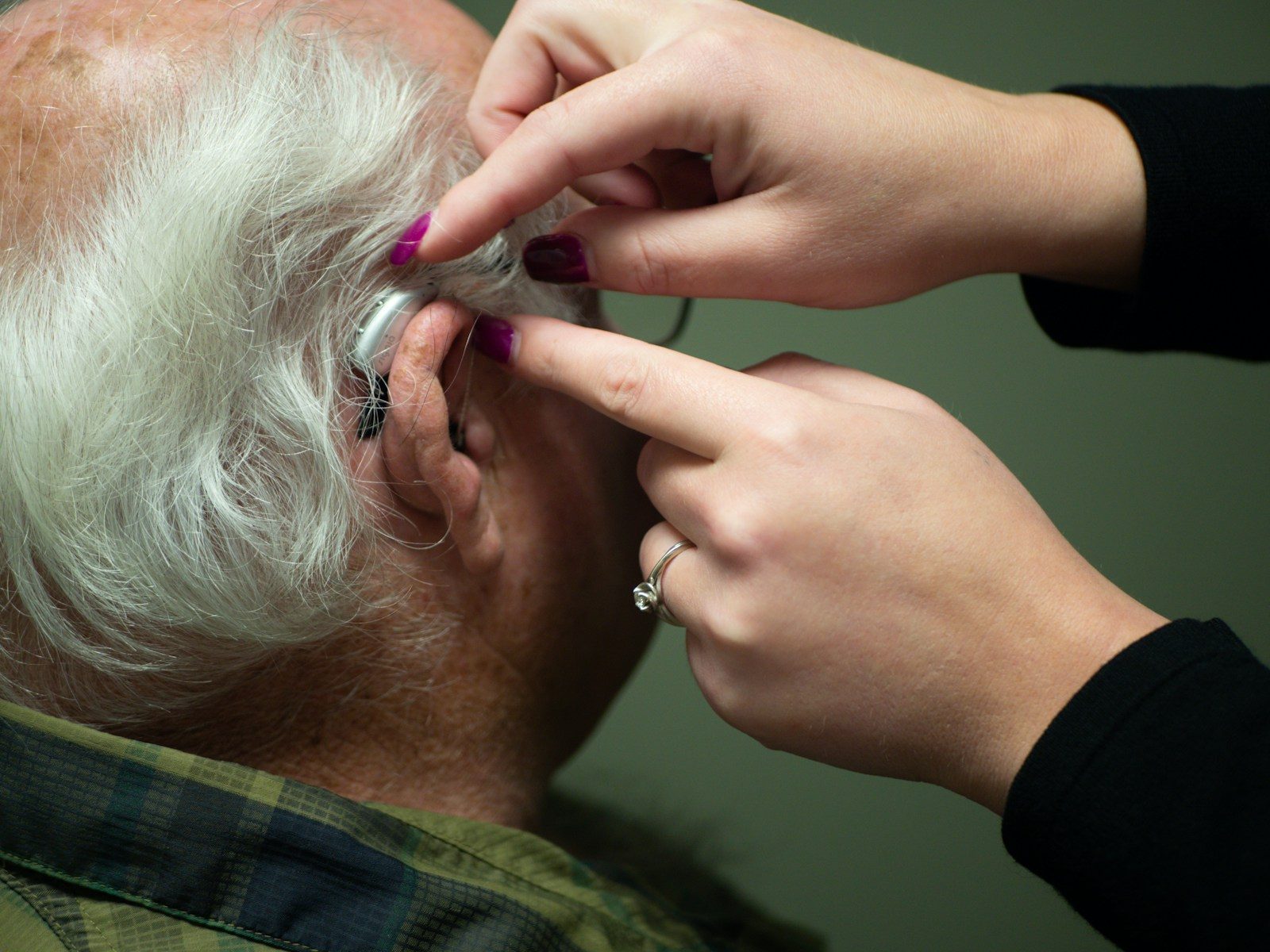
Hearing loss affects roughly 48 million Americans according to the Hearing Loss Association of America, and yet hearing aids remain one of the most consistently unaffordable medical devices in the country. A single hearing aid can cost between $1,000 and $7,000, and most people need two. Medicare did not cover hearing aids for decades, and even with the expansion of some Medicare Advantage plan benefits, out-of-pocket costs remain prohibitive for millions of people on fixed or limited incomes. What most people do not know is that nearly every state has at least one program that provides hearing aids at reduced or no cost to qualifying residents. The programs vary in name, structure, and eligibility, but they are real, they are funded, and they go unused at a high rate simply because people do not know to look for them.
1. State Vocational Rehabilitation Programs
Every state operates a vocational rehabilitation agency funded through a partnership between the state government and the federal Rehabilitation Services Administration. Vocational rehabilitation, commonly known as VR, helps people with disabilities gain, maintain, or return to employment, and hearing aids are among the assistive devices VR programs regularly fund when hearing loss affects a person’s ability to work.
If your hearing loss affects your job performance, your ability to communicate with coworkers or customers, your safety in the workplace, or your ability to find employment, you may qualify for hearing aids through your state’s VR program at little or no cost. The program pays for hearing aids as part of an individualized plan for employment that you develop with a VR counselor.
Eligibility is based on having a documented disability that creates a barrier to employment and a reasonable expectation that VR services will help you achieve an employment outcome. Income is not the primary eligibility factor for VR, which means working adults with moderate incomes may qualify even if they do not qualify for income-based programs. Find your state’s VR agency through the Rehabilitation Services Administration state agency directory.
2. State Medicaid Hearing Aid Benefits
Medicaid covers hearing aids for children in every state as part of the mandatory Early and Periodic Screening, Diagnostic, and Treatment benefit. For adults, hearing aid coverage through Medicaid varies significantly from state to state because adult hearing aid benefits are an optional Medicaid service that states choose whether to include.
States that cover hearing aids for adults through Medicaid include California, which covers hearing aids through Medi-Cal, New York, which provides coverage through its Medicaid program with established reimbursement rates for devices and fitting, and several other states that cover hearing aids with varying limits on device cost, frequency of replacement, and eligible providers.
Checking your state’s Medicaid agency website for hearing aid coverage is the fastest way to determine whether this benefit exists in your state. Search your state name plus Medicaid hearing aid benefit and look for the current fee schedule or benefit description on the official state Medicaid site. If you are not currently enrolled in Medicaid but believe you may qualify based on income, applying for coverage and then requesting hearing aids as a covered benefit is the logical sequence.
3. State Children’s Hearing Aid Loan Programs
Several states have established dedicated hearing aid loan or purchase programs specifically for children whose families cannot afford devices. These programs operate independently of Medicaid and serve children who may not qualify for Medicaid but still face significant financial barriers to accessing hearing aids.
Colorado’s Children’s Hearing Aid Loan Program provides loaner hearing aids to children while families wait for permanent devices or funding. Rhode Island, Connecticut, and several other states have similar programs that either loan devices directly or subsidize the purchase cost based on family income. These programs are typically administered through the state’s department of health or early intervention program.
If you have a child with hearing loss, contacting your state’s department of health and asking specifically about pediatric hearing aid assistance programs is worth doing before assuming private pay or private insurance are the only options. Your child’s audiologist or otolaryngologist may also be familiar with state-specific programs and can point you in the right direction based on their experience with other patients in similar situations.
4. State Assistive Technology Programs
Every state has an assistive technology program funded through the federal Assistive Technology Act, which provides grants to states specifically to improve access to assistive technology for people with disabilities. Hearing aids qualify as assistive technology under the Act, and many state AT programs include hearing aids within their scope of services.
State AT programs offer services in four main categories that may help with hearing aids. Device demonstrations let you try hearing aids before committing to a purchase. Device loans provide short-term access to hearing aids while you pursue funding. Device reutilization programs refurbish and redistribute donated hearing aids to people who need them at low or no cost. Financial loan programs offer low-interest loans to purchase assistive technology including hearing aids.
The AT3 Center maintains a directory of every state’s assistive technology program with contact information and links to their services. Looking up your state’s program and calling to ask specifically about hearing aid assistance takes about ten minutes and may open up options you were not aware of.
5. State Health Department Early Hearing Detection Programs
Most states have an Early Hearing Detection and Intervention program, known as EHDI, that focuses on identifying hearing loss in newborns and young children and connecting families with appropriate services. For families with young children newly diagnosed with hearing loss, EHDI programs are often the fastest path to hearing aids and related services because they have established referral networks and in many cases direct funding for devices.
Beyond the initial diagnosis and fitting stage, many state EHDI programs maintain ongoing connections with funding resources for families who need help with hearing aid costs as their child grows and requires updated devices. Hearing aids for children typically need to be replaced or reprogrammed more frequently than for adults because of physical growth and changing hearing needs, making ongoing funding assistance more critical for pediatric cases.
Contact your state’s department of health and ask for the EHDI program coordinator. They can tell you what funding resources exist in your state for pediatric hearing aids and connect you with the appropriate programs based on your child’s age and diagnosis.
6. Lions Clubs International Hearing Aid Recycling Programs
Lions Clubs International operates one of the largest hearing aid recycling programs in the world through its network of local clubs. Donated hearing aids are collected, refurbished, and redistributed to people who cannot afford new devices. The quality of refurbished devices varies but many are relatively recent models that provide meaningful amplification for recipients.
While Lions Clubs operates internationally rather than as a state government program, the programs are administered at the local level through individual clubs that often have relationships with state health agencies and audiologists in their communities. Many state hearing assistance programs refer recipients to local Lions Clubs as part of their resource network, which is why it belongs in this context even though it is not technically a state government program.
Contact your local Lions Club and ask specifically about hearing aid assistance. Bring documentation of your financial situation and hearing loss diagnosis to the initial meeting. Individual club resources vary considerably so calling ahead to confirm they have an active hearing aid program before visiting saves time.
7. State Departments of Aging Hearing Aid Assistance
Many state departments of aging operate programs or maintain referral networks specifically for older adults facing barriers to healthcare access including hearing aids. Adults 60 and older are the demographic most affected by hearing loss and also the demographic most likely to be on fixed incomes that make hearing aids unaffordable without assistance.
State aging programs vary widely in what they offer directly versus what they coordinate through referral. Some state aging departments have their own hearing aid subsidy funds. Others maintain comprehensive resource guides for older adults that include hearing aid assistance programs, low-cost audiology clinics, and free hearing aid programs available through nonprofit organizations in the state.
Contact your state’s department of aging directly and ask what hearing assistance resources they know about for adults on fixed incomes. The Eldercare Locator at 1-800-677-1116 is a free national service funded by the federal government that connects older adults and their caregivers with local resources including hearing assistance programs in their specific area.
8. State Children’s Special Health Care Services Programs
Every state has a program that provides services to children with special health care needs, often referred to as Children’s Special Health Care Services or CSHCS depending on the state. These programs are funded through a combination of federal Title V Maternal and Child Health block grant funding and state appropriations, and they specifically target children with chronic conditions and disabilities including hearing loss.
State CSHCS programs typically cover hearing aids for children who are enrolled and meet the eligibility criteria, which are based on the child’s diagnosis and family income. The programs are designed to fill gaps left by Medicaid and private insurance, which means children who have insurance that does not cover hearing aids or who have coverage with high out-of-pocket costs may still qualify for assistance through CSHCS.
Finding your state’s program requires knowing what it is called locally. In Michigan it is called CSHCS. In California it is called the California Children’s Services program. In Texas it is called the Children with Special Health Care Needs program. Searching your state name plus children special health care needs program returns the official program page in most cases. Your child’s pediatrician or audiologist almost certainly knows the program by name and can provide a referral.
Additional Resources That Operate Alongside State Programs
Several national nonprofit organizations supplement state programs and are worth contacting in addition to pursuing the state options above.
The Starkey Hearing Foundation provides hearing aids to people in need both domestically and internationally and has programs that operate through audiology clinics and community health organizations across the United States. The Hearing Health Foundation funds research and maintains resources connecting people with hearing loss to assistance programs. Hear Now is a program specifically for low-income U.S. residents that provides hearing aids based on documented financial need.
The American Academy of Audiology has a patient resource page that includes information on financial assistance for hearing aids and can help you find audiologists in your area who participate in reduced-fee or pro bono programs for patients who cannot afford standard rates.
Calling 211 and asking specifically about hearing aid assistance in your area gives you access to a local specialist who knows which programs are currently funded and accepting applications in your zip code. State program availability and funding levels change from year to year and the 211 specialist has more current local information than most online databases.
The combination of your state’s vocational rehabilitation agency, Medicaid if you qualify, your state assistive technology program, and a local Lions Club chapter covers the widest range of potential assistance across income levels and age groups. Starting with those four and working outward from there gives you the most ground covered in the least amount of time.





Leave a Reply