
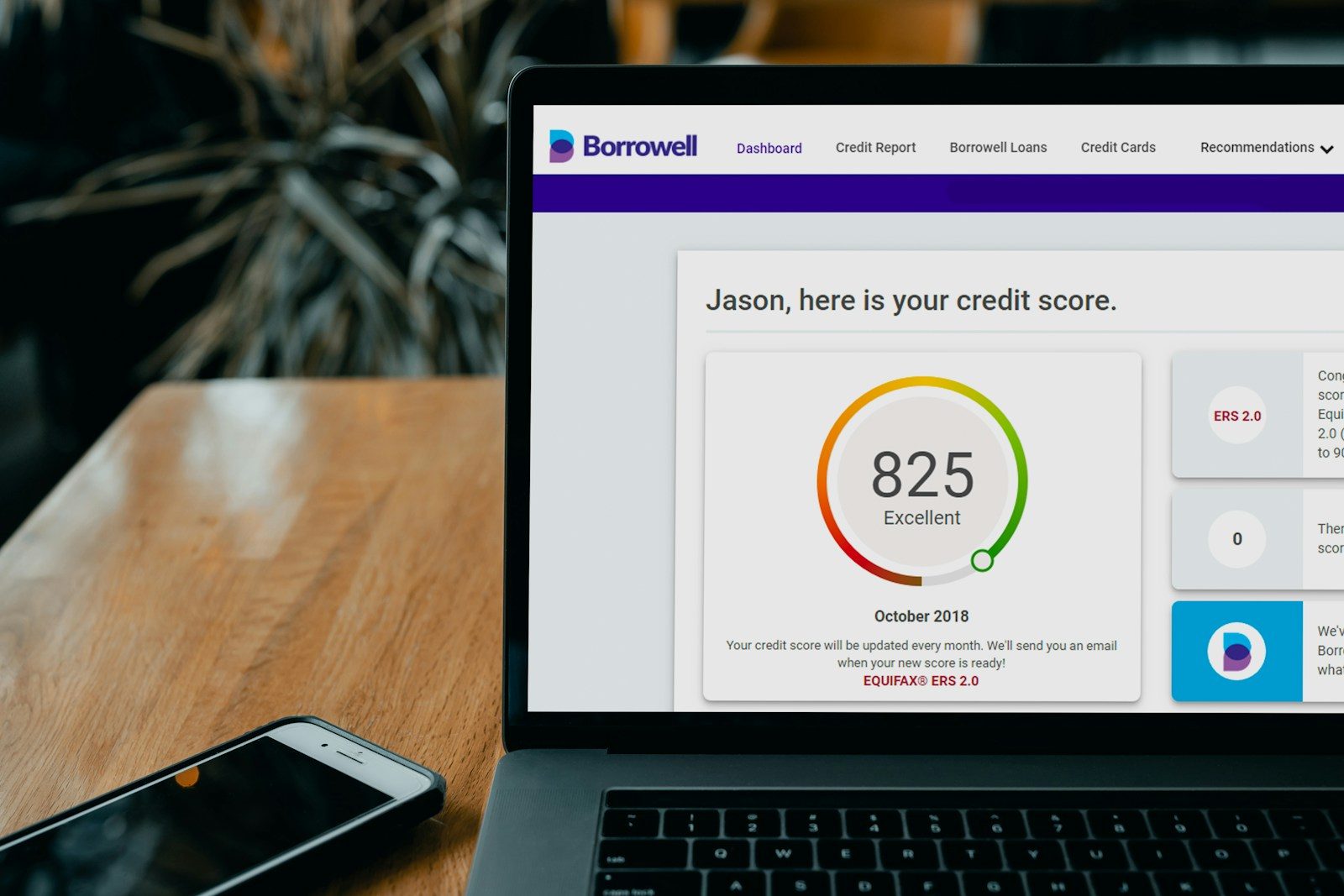
Credit monitoring is one of those things that sounds like it should cost money because so many companies have spent years convincing people to pay for it. The reality is that the most important credit monitoring tools available to you right now are completely free, require no subscription, and give you access to the same core information that paid services charge monthly fees to provide. If you have never set up credit monitoring before or you cancelled a paid service because the cost was not worth it, this guide walks you through everything you need to do to protect your credit without spending a dollar.
Why Credit Monitoring Matters
Your credit report and credit score affect more areas of your financial life than most people realize. Lenders check your credit before approving a mortgage, car loan, or personal loan. Landlords check it before approving a rental application. Some employers check it before making a hiring decision. Insurance companies in many states use credit-based insurance scores to set premiums.
Credit monitoring alerts you when something changes on your credit file. That includes new accounts opened in your name, hard inquiries from lenders, changes to your balances, missed payments being reported, and public records like judgments or bankruptcies being added. Catching these changes quickly matters because the sooner you spot an error or a sign of identity theft, the faster you can act before the damage compounds.
Paid credit monitoring services charge anywhere from $10 to $40 per month and often bundle their monitoring with features like identity theft insurance and dark web scanning to justify the price. The core monitoring function itself, which is what most people actually need, is available for free through several legitimate sources.
Start With Your Free Credit Reports
The foundation of any credit monitoring setup is knowing what is already on your credit file. You have the right to a free credit report from each of the three major bureaus, Equifax, Experian, and TransUnion, through AnnualCreditReport.com, which is the only federally authorized source for free credit reports.
During and after the pandemic, the bureaus expanded free report access to once per week rather than once per year. As of 2024, weekly free reports through AnnualCreditReport.com remain available. This means you can pull your Equifax report one week, your Experian report the next, and your TransUnion report the week after, giving you a rotating view of all three files at no cost.
Pull all three reports and read through them carefully. Look for accounts you do not recognize, addresses you have never lived at, employers you have never worked for, and any negative items that look inaccurate. Disputing errors at this stage is free and is handled directly through each bureau’s online dispute portal.
Set Up Free Monitoring Through Each Bureau Directly
Each of the three major credit bureaus offers its own free monitoring product that alerts you to changes on your credit file with that specific bureau.
Equifax offers a free monitoring product called Equifax Core Credit that provides monthly Equifax credit score updates and alerts when key changes occur on your Equifax report. Setting up an account takes about five minutes and requires basic personal information to verify your identity.
Experian offers free credit monitoring with alerts for new inquiries, new accounts, and changes to your Experian report. Experian also provides a free FICO Score based on your Experian report, which is updated monthly. Their free tier is straightforward and does not require a credit card to sign up.
TransUnion offers free credit monitoring through their consumer portal as well. Alerts cover new accounts, address changes, and other activity on your TransUnion file.
Setting up a free account with all three bureaus gives you free credit monitoring setup coverage across your full credit profile rather than just one bureau. Many people set up one or two and forget the third. All three matter because not every lender reports to all three bureaus and not every fraudulent account will appear on all three reports simultaneously.
Use Credit Karma for TransUnion and Equifax Monitoring
Credit Karma is a free platform that monitors your TransUnion and Equifax credit files simultaneously and sends alerts when changes occur. It also shows you your credit scores from both bureaus updated weekly, which gives you a more frequent view of where your scores stand than the monthly updates offered by the bureau portals directly.
Credit Karma is free because it makes money by recommending financial products like credit cards and loans based on your credit profile. You are not obligated to apply for any of the products it suggests. You can use the monitoring and score tracking features without engaging with any of the recommendations.
The platform also shows you which factors are helping and hurting your scores, including your credit utilization rate, payment history, age of accounts, and the number of hard inquiries on your file. For someone new to credit monitoring, this breakdown is useful for understanding not just what your score is but why it is where it is.
Use Credit Sesame or WalletHub as Additional Options
Credit Sesame offers free TransUnion credit monitoring with monthly score updates and alerts for key changes. It operates on a similar model to Credit Karma and is free to use for the core monitoring features.
WalletHub offers free daily credit monitoring based on your TransUnion report, which is more frequent than most other free options. Daily monitoring means alerts arrive faster when something changes, which is useful for catching identity theft early. WalletHub also provides a free credit score updated daily and a full credit report updated daily, making it one of the most comprehensive free options for TransUnion monitoring specifically.
Using Credit Karma for Equifax and TransUnion coverage alongside WalletHub for daily TransUnion updates gives you layered monitoring across multiple platforms at no cost.
Add a Credit Freeze for Maximum Protection
Credit monitoring tells you when something changes on your report. A credit freeze prevents new accounts from being opened in your name in the first place by blocking lenders from accessing your credit file without your permission. Together they form the most comprehensive protection available without paying for anything.
Placing a freeze is free at all three bureaus. You lift it temporarily when you apply for new credit and reinstate it afterward. The process takes a few minutes at each bureau’s website and the freeze stays in place indefinitely until you remove it.
Freezing your credit at all three bureaus takes about 15 minutes total. Visit each bureau’s freeze page directly. Equifax credit freeze, Experian credit freeze, and TransUnion credit freeze each have their own portal. You will need your Social Security number and some personal information to verify your identity at each one. Save the PIN or account credentials each bureau gives you because you need them to lift the freeze later.
If you have children under 16, you have the right to place a freeze on their credit files as well. Child identity theft is more common than most parents realize because a child’s clean Social Security number is valuable to fraudsters and the theft often goes undetected for years.
Set Up Alerts Through Your Bank and Credit Card Issuers
Your bank and credit card companies are another free monitoring layer that most people already have access to but do not fully use. Most major banks and credit card issuers allow you to set up transaction alerts that notify you by text or email whenever a purchase is made, when your balance crosses a certain threshold, or when a payment is due.
These alerts do not monitor your credit report but they do catch unauthorized transactions on existing accounts in near real time. Catching a fraudulent charge on your credit card the same day it happens is faster than waiting for a credit bureau alert to flag a new account that was opened using your information.
Log into your bank and credit card accounts and look for an alerts or notifications section in the settings. Enable every alert available for transaction activity. This takes about five minutes per account and costs nothing.
Check Your Social Security Earnings Record
One area of identity theft that credit monitoring does not cover is someone using your Social Security number to obtain employment. This does not show up on your credit report but it does show up on your Social Security earnings record because wages earned under your number are reported to the Social Security Administration.
Setting up a free account at MySocialSecurity lets you view your earnings record each year. If you see wages from an employer you never worked for, it is a sign that someone has used your Social Security number for employment purposes. Reporting this to the SSA is handled through their identity theft process outlined on their website.
Checking your MySocialSecurity account once a year adds a monitoring layer that no credit bureau product covers, and it is free.
What to Do When an Alert Comes In
Setting up monitoring is only useful if you know what to do when an alert arrives. Most alerts are routine and reflect activity you initiated yourself. A new inquiry shows up after you applied for a credit card. A new account appears after you financed a purchase. These are expected and require no action.
An alert becomes a red flag when you do not recognize the activity it describes. An inquiry from a lender you never contacted, a new account at a store you have never shopped at, or an address you have never lived at appearing on your file are all signs that something is wrong.
If you see activity you do not recognize, act immediately. Place a credit freeze at all three bureaus if you have not already done so. File an identity theft report at IdentityTheft.gov, which is the official federal government resource for identity theft victims and walks you through a personalized recovery plan. Dispute any fraudulent accounts directly with the bureau reporting them using their online dispute process. Contact the fraud department of any financial institution where an unauthorized account was opened.
The Federal Trade Commission maintains IdentityTheft.gov and provides step-by-step guidance for every type of identity theft scenario. The recovery process is detailed but manageable when you follow it in order.





Leave a Reply