
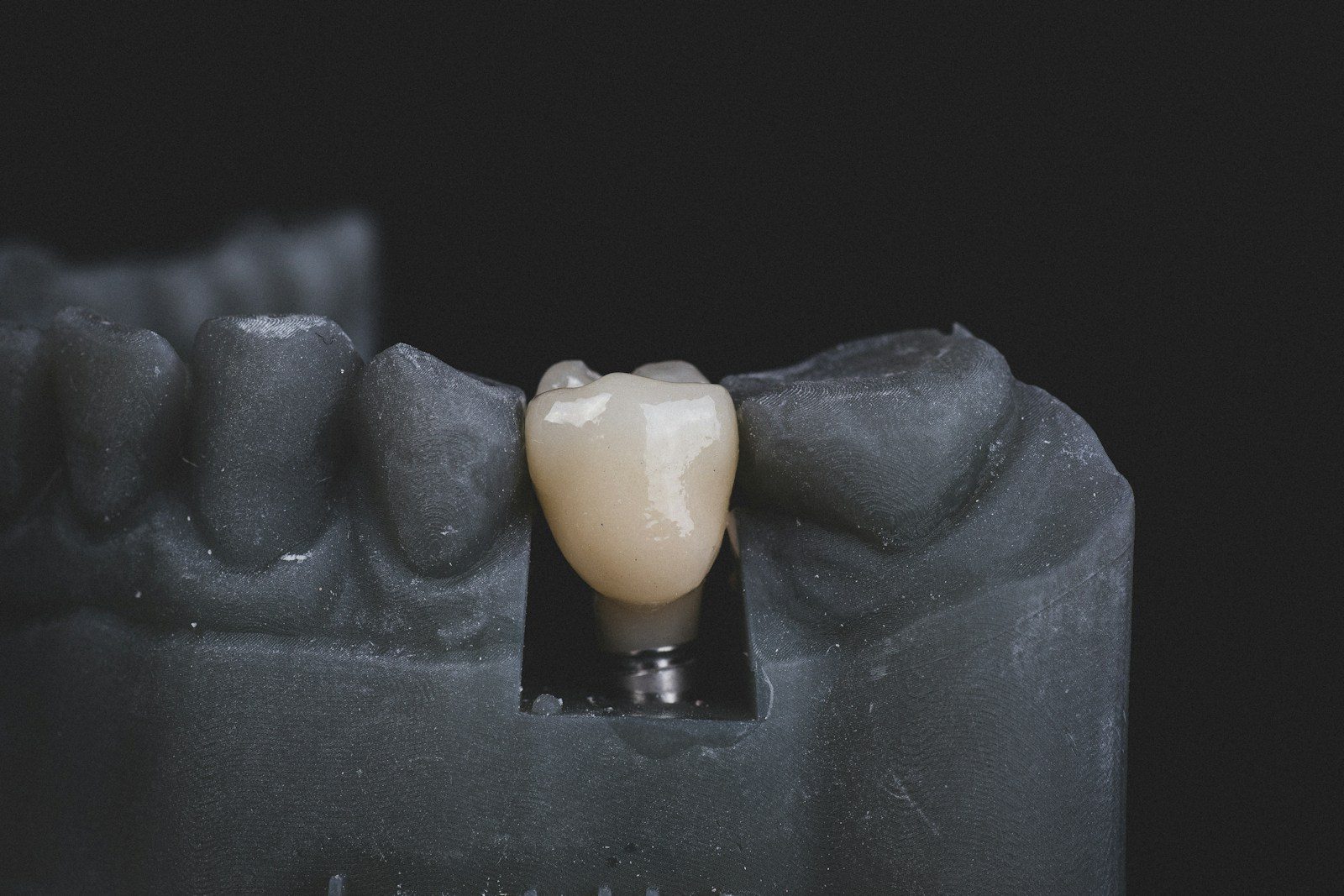
Dental implants are widely considered the gold standard for replacing missing teeth, and they are also one of the most expensive dental procedures available. A single implant at a private practice can cost between $3,000 and $6,000 when you factor in the implant post, the abutment, and the crown. For someone missing multiple teeth, the total cost quickly becomes out of reach for most households without significant dental insurance or savings. What most people do not realize is that the price of a dental implant is not fixed and that meaningful options exist for accessing this procedure at a fraction of the standard rate. These are the questions people ask most often about low-cost dental implants in 2026 and the answers that reflect where things actually stand.
Are Dental Implants Ever Covered by Insurance?
Traditional dental insurance plans have historically excluded implants from coverage, classifying them as cosmetic or elective procedures rather than medically necessary care. That landscape is changing slowly but the change is uneven and depends heavily on which plan you have and who provides it.
Some employer-sponsored dental plans now include implant coverage as a benefit, typically covering a percentage of the procedure cost up to an annual maximum. The annual maximum for most dental plans is between $1,000 and $2,000, which covers a portion of one implant but rarely the full cost. If you have dental insurance through an employer, reviewing your Summary of Plan Benefits specifically for implant coverage language tells you whether any benefit applies and what the reimbursement structure looks like.
Medicare does not cover dental implants under standard Part A or Part B coverage. Some Medicare Advantage plans, which are private insurance plans that replace standard Medicare, include dental benefits that cover implants with varying levels of reimbursement. If you are on Medicare and exploring implant options, reviewing your current Medicare Advantage plan’s dental benefit or comparing available plans during open enrollment specifically for implant coverage is worth doing before assuming no coverage exists.
Medicaid dental coverage for implants is rare but not nonexistent. Adult dental benefits under Medicaid vary significantly by state and the overwhelming majority of states do not cover implants for adults even where they provide other dental benefits. Checking your state’s Medicaid dental benefit summary through your state’s Medicaid agency is the definitive way to know whether any coverage exists in your state.
What Do Dental Schools Charge for Implants?
Dental schools are one of the most reliable and widely available sources of low cost dental implants options for patients who can work within their scheduling requirements. Procedures at dental schools are performed by supervised dental students in advanced clinical training programs, with faculty dentists overseeing every step of the process. The quality of care is clinically sound because the supervising faculty are licensed professionals, and the cost is significantly lower than a private practice because the school is primarily a training environment rather than a revenue-generating practice.
Dental school implant costs typically range from 40 to 60 percent below private practice rates depending on the institution and the program level. A procedure that costs $4,000 at a private practice might run $1,500 to $2,500 at a dental school clinic. Some schools with graduate-level implant programs charge more than general dental school clinics because the procedures are performed by dental residents who have already completed their initial training, which sits between dental student pricing and private practice pricing in most cases.
The trade-off with dental school treatment is time. Implant placement is a multi-stage process that involves an initial assessment, the surgical placement of the implant post, a healing period of three to six months while the implant integrates with the jawbone, and then the placement of the abutment and crown. At a dental school, each appointment is typically longer than at a private practice because students work more deliberately under supervision. Scheduling can take more time and the overall timeline may be extended compared to private care.
Finding dental schools with implant programs near you starts with the American Dental Association’s dental school directory and the American Dental Education Association, both of which maintain searchable lists of accredited programs. Call the school’s patient clinic directly and ask specifically whether their clinic places implants, what the approximate cost is, and whether they have a waiting list for new patients.
Do Federally Qualified Health Centers Offer Implants?
Federally qualified health centers provide dental care on a sliding fee scale to low-income patients and are an important resource for basic dental care. Implants are generally outside the scope of what most FQHCs provide because they are a specialty procedure that requires equipment and expertise beyond what most community health center dental departments maintain.
However, some larger FQHCs with expanded dental programs do offer implants or have formal referral relationships with dental schools or specialty clinics that provide implants at reduced rates for FQHC patients. Calling your nearest FQHC and asking specifically whether they offer implants or can refer you to a lower-cost provider for implant placement is worth the phone call even if the most likely answer is that they do not provide the procedure directly.
What FQHCs can reliably help with is the diagnostic and preparatory work that precedes an implant, including extractions, bone grafting consultations, and imaging, at sliding scale fees that are significantly lower than private practice rates. Completing the preparatory work at an FQHC and then pursuing the implant itself at a dental school can reduce the total out-of-pocket cost of the full process meaningfully.
Are There Clinical Trials or Research Programs That Cover Implant Costs?
Dental research institutions and implant manufacturers periodically conduct clinical studies that provide implants at no cost or significantly reduced cost to qualifying participants in exchange for their participation in research protocols. Participants receive care from experienced clinicians, undergo additional monitoring appointments, and contribute data that advances dental research.
Searching ClinicalTrials.gov using the search term dental implants and filtering for studies that are recruiting participants returns current research programs that may include free or reduced-cost implants for qualifying individuals. University dental schools are the most common sites for implant research studies and searching your nearest dental school’s website for clinical trials or research participation opportunities often returns more localized results than the national database.
Implant manufacturer-sponsored programs are another avenue. Companies that manufacture dental implant systems sometimes sponsor patient access programs through participating dental practices that reduce the cost of the implant hardware component specifically. The treating dentist still charges for their time and the crown but the hardware discount can reduce the total cost by several hundred to over a thousand dollars depending on the program. Asking a dental provider directly whether they participate in any manufacturer access programs before beginning treatment surfaces this possibility without requiring extensive independent research.
What About Dental Tourism for Implants?
Dental tourism, which involves traveling to another country specifically for dental procedures at lower cost, is a real phenomenon for implant patients and in some cases produces significant savings. Countries including Mexico, Costa Rica, Hungary, and Thailand are among the most commonly cited destinations for Americans seeking lower-cost implant procedures. Prices in these markets can be 50 to 70 percent below U.S. private practice rates for the same procedure performed by trained implant specialists.
The considerations around dental tourism are significant and worth understanding clearly before making a decision. Quality varies enormously by provider and country. The implant systems used may differ from those available in the United States, which can affect options if complications arise or if follow-up care is needed after returning home. Travel costs, the need for multiple trips if complications occur, and the challenge of managing any post-procedure issues from a distance all factor into the true cost comparison.
Dental tourism is worth researching seriously for patients who are healthy, whose implant situation is straightforward rather than complex, who have the flexibility to travel, and who can identify a reputable provider with verifiable credentials and patient reviews. It is a less appropriate option for patients with complex bone grafting needs, significant medical comorbidities, or limited ability to return for follow-up if something goes wrong.
How Do Payment Plans and Financing Affect Access?
Most private dental practices that place implants offer some form of financing through third-party medical credit products. CareCredit is the most widely used of these products and offers promotional periods during which no interest accrues if the balance is paid in full within the promotional window. Periods of 12, 18, or 24 months are common depending on the amount financed.
The critical thing to understand about CareCredit and similar deferred interest products is that if the full balance is not paid by the end of the promotional period, interest is charged retroactively on the original balance at a rate that can exceed 26 percent. This deferred interest structure has cost many patients significantly more than the original procedure price when they were unable to pay the balance within the promotional window.
In-house payment plans offered directly by dental practices without a third-party financing company are generally more favorable for patients because they do not carry deferred interest provisions. Asking specifically whether the practice offers an in-house payment plan before agreeing to a CareCredit application is worth doing because many practices prefer a direct payment arrangement for long-term patients and the terms are often more transparent.
What Should You Know About the Full Cost Before Starting?
One of the most common sources of frustration for implant patients is discovering mid-process that the quoted cost did not include all components of the procedure. A dental implant involves the surgical placement of the implant post, a healing abutment, a final abutment, and a crown. Some practices quote the implant post price alone and add the abutment and crown separately. Others quote a comprehensive all-in price that covers every component from placement to final restoration.
Before agreeing to implant treatment anywhere, asking for a written comprehensive treatment plan that itemizes every cost associated with the complete procedure from initial consultation through final crown placement gives you a true picture of the total investment. Ask specifically whether bone grafting will be required, since bone grafting is a common additional procedure for patients who have experienced bone loss in the jaw and adds several hundred to over a thousand dollars to the total depending on the extent of grafting needed.
Asking how complications are handled financially is also worth doing upfront. Implant failure, while relatively rare with a success rate generally cited above 95 percent by studies published in journals like the Journal of Dental Research, does occur. Knowing whether the practice offers any warranty or reduced-cost replacement policy in the event of implant failure before you commit to a provider is information that affects the true risk-adjusted cost of the procedure.
Calling 211 is a useful step for patients who are in genuine financial hardship and for whom even dental school pricing is out of reach. Specialists can identify local dental assistance programs, free clinic dental days, and nonprofit dental organizations in your area that may be able to help with either the implant itself or the surrounding preparatory and restorative work that makes the complete procedure possible.





Leave a Reply